
13 Fleet, Movement & Maintenance
Fuel
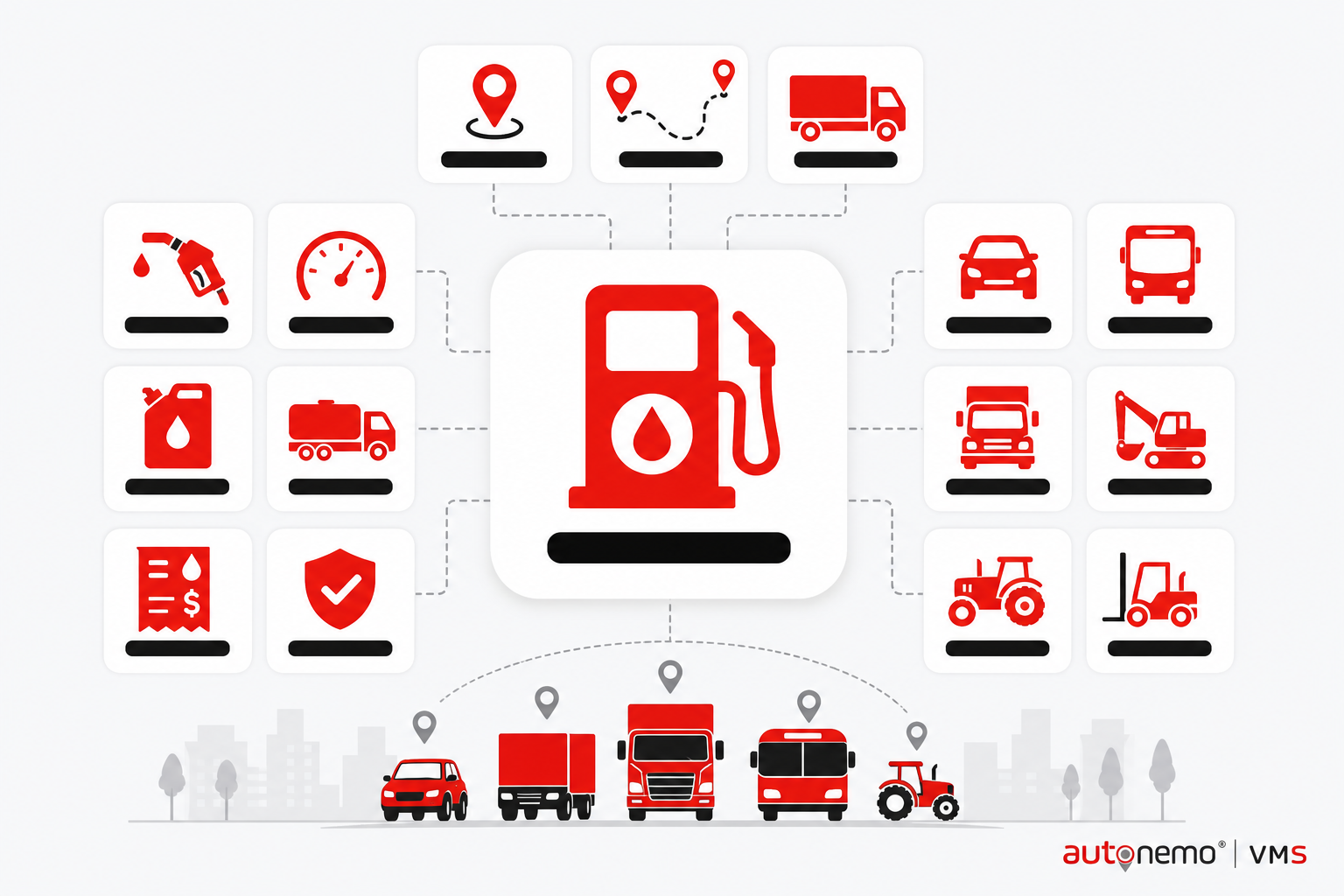
Fuel dashboard, fuel entry, tanks, pumps, history, and reports.
Illustrations on this page are conceptual examples — not screenshots of the live system.
How you can use it
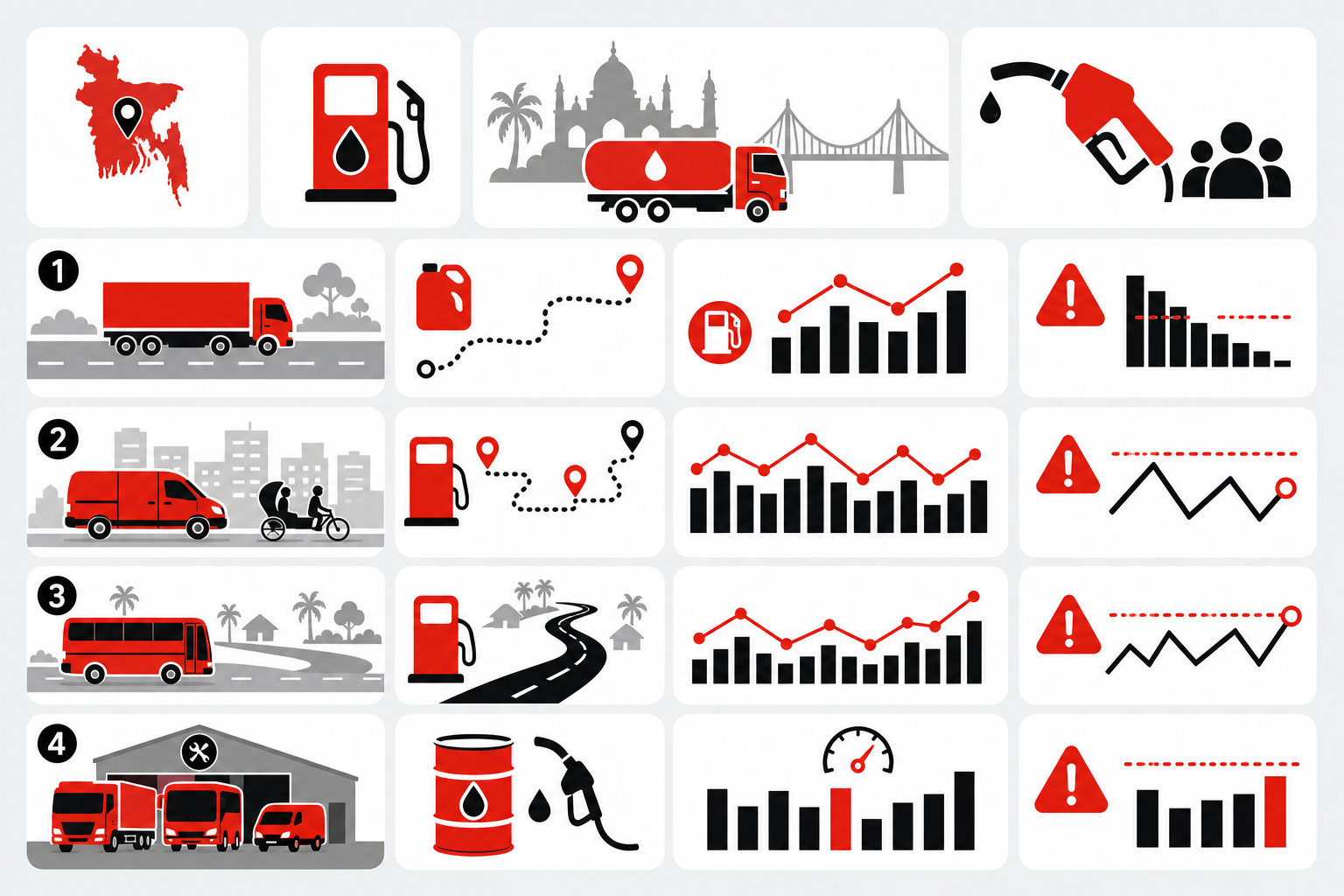
The same Fleet module supports different transport models — pick the scenarios that match your operation.
Fuel in daily operations
Fuel dashboard, fuel entry, tanks, pumps, history, and reports.
Vehicle & movement control
Fuel for fleet and workshop managers — typical in Bangladesh vehicle-heavy organisations.
Trip-linked and vehicle-wise fuel entries
Teams use Fuel when they need trip-linked and vehicle-wise fuel entries — without maintaining a separate spreadsheet or WhatsApp thread.
Mileage trends and variance alerts
Teams use Fuel when they need mileage trends and variance alerts — without maintaining a separate spreadsheet or WhatsApp thread.
Benefits for your team
What improves when vehicle data lives in one place instead of spreadsheets and phone calls.
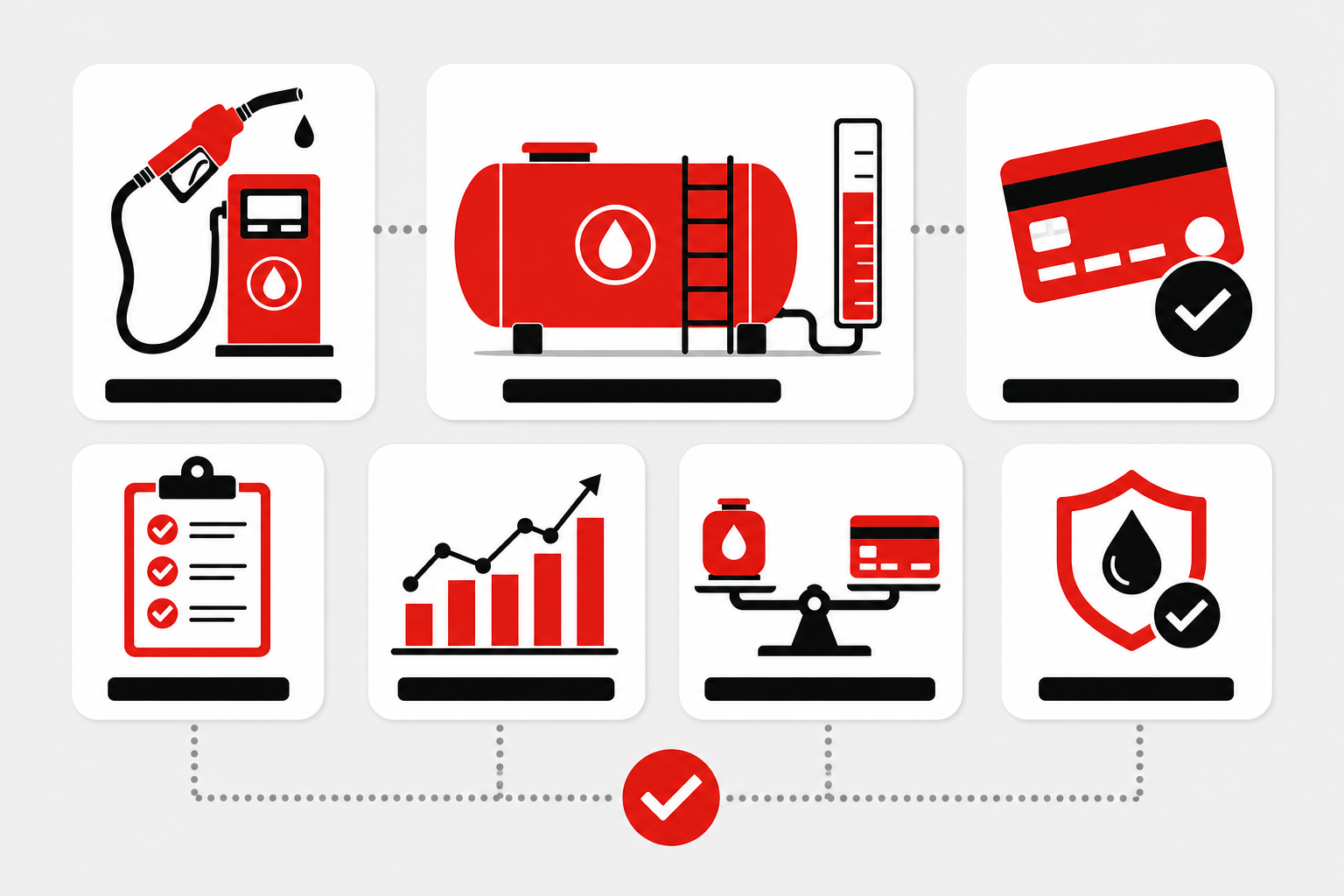
Trip-linked and vehicle-wise fuel entries
Fuel helps because trip-linked and vehicle-wise fuel entries — recorded inside the VMS audit trail instead of informal channels.
Mileage trends and variance alerts
Fuel helps because mileage trends and variance alerts — recorded inside the VMS audit trail instead of informal channels.
Tank, pump, and card reconciliation
Fuel helps because tank, pump, and card reconciliation — recorded inside the VMS audit trail instead of informal channels.
Branch and vehicle fuel reports
Fuel helps because branch and vehicle fuel reports — recorded inside the VMS audit trail instead of informal channels.
Makes daily work easier
Less chasing, less re-entry, fewer surprises on the morning dispatch board.
- Fuel supports view, dashboard, add, list — so users do not jump between unrelated tools for the same task.
- Less manual follow-up: trip-linked and vehicle-wise fuel entries
- Less manual follow-up: mileage trends and variance alerts
- Less manual follow-up: tank, pump, and card reconciliation
- Branch-scoped access means local teams open Fuel without seeing other depots' records.
Multi-user & mobile-ready
Different roles see different slices — desktop for planning, mobile for field, dashboard for leadership.
- Operations lead (desktop)Plans and supervises Fuel with full register access, filters, and exports.
- Branch user (tablet / laptop)Works on branch-scoped Fuel records — no cross-branch data leakage.
- Field staff (mobile)Submits or confirms Fuel tasks from phone — limited permissions, faster updates.
- Manager / approverReviews exceptions, approvals, and summaries inside Fuel without re-keying data.
- Owner / executive (dashboard)Reads KPI widgets fed by Fuel — not day-to-day data entry screens.
Works with your other modules
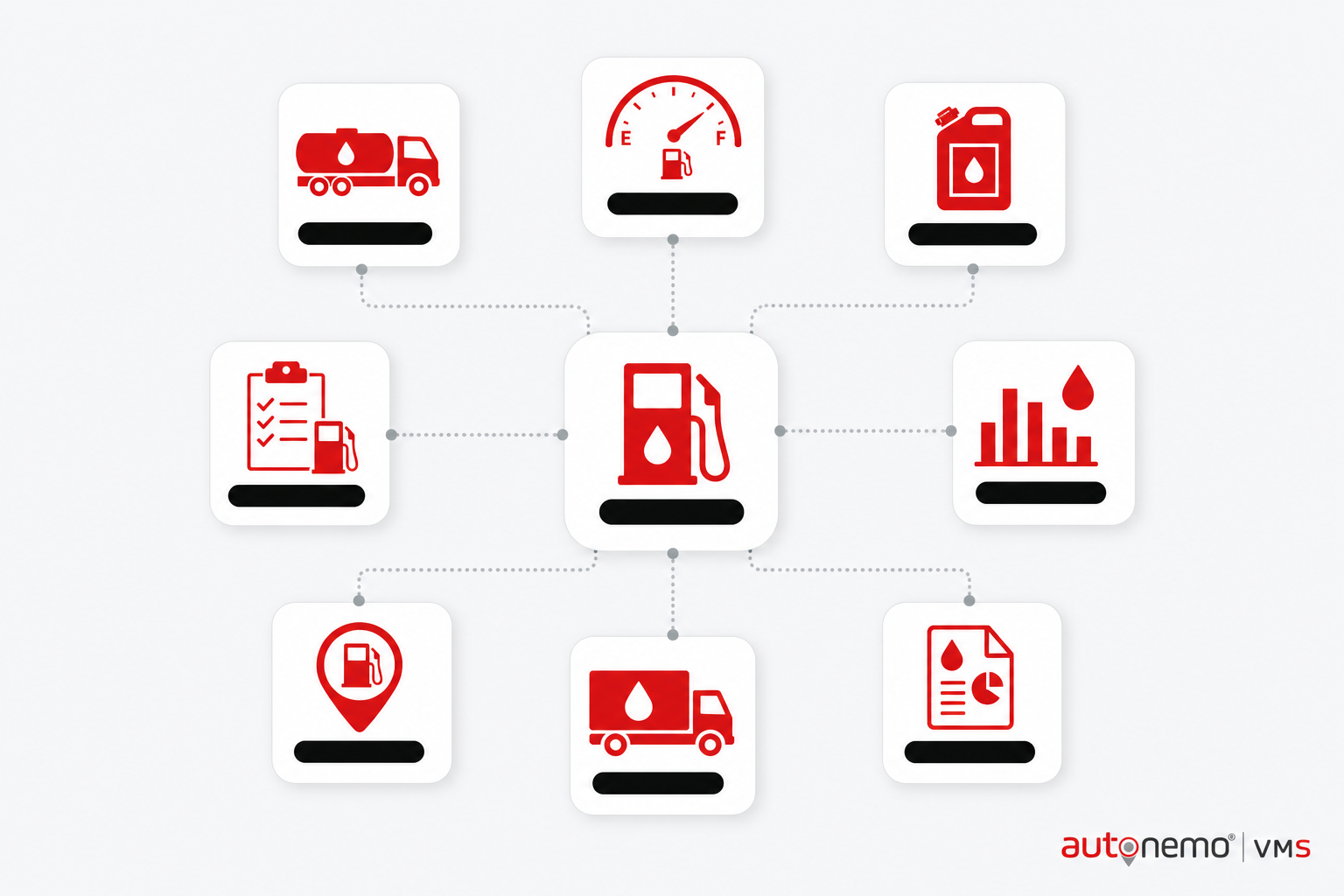
Fleet is the vehicle master — other modules read from it so data stays consistent across the platform.