
43 Finance & Accounts
Expense
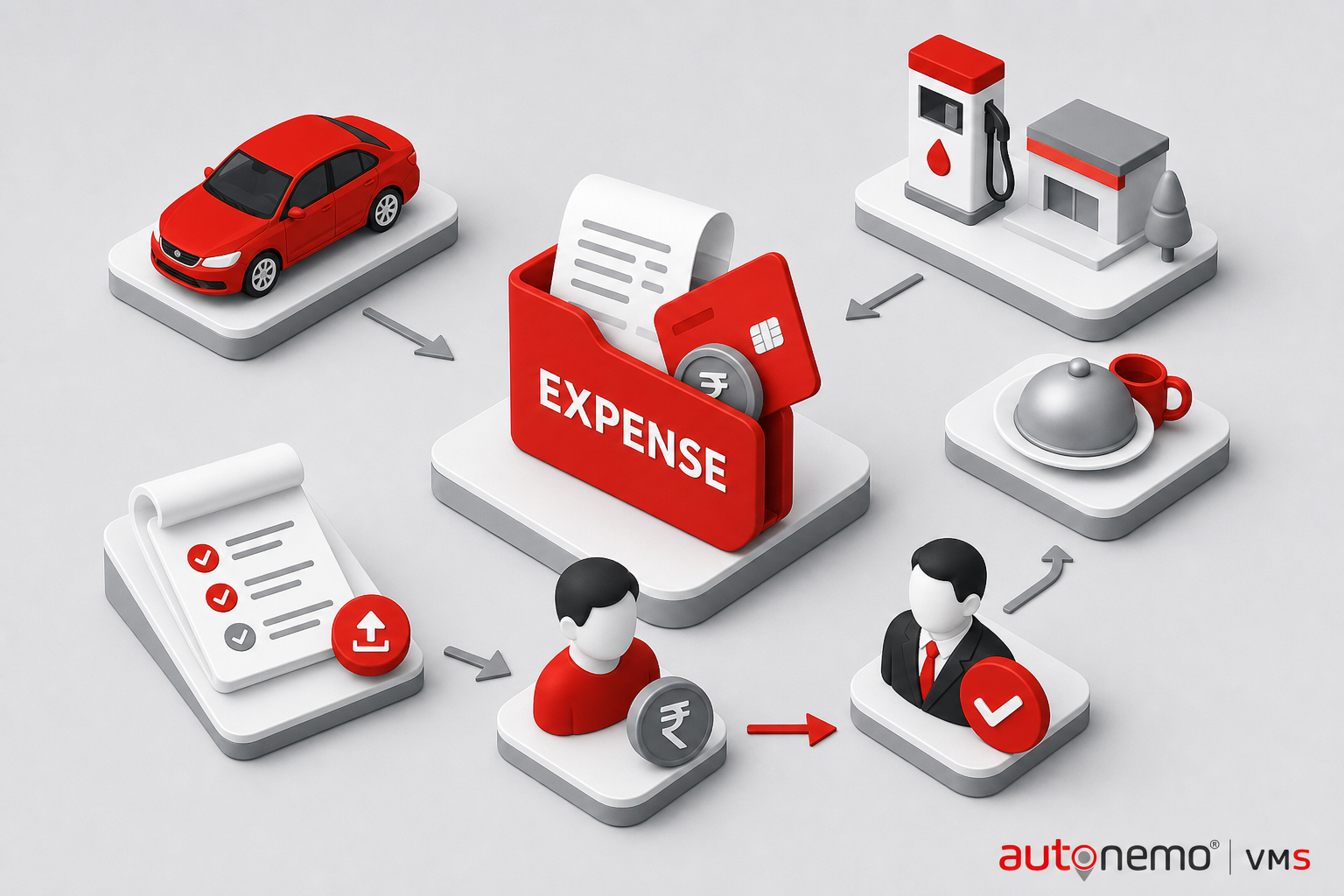
Expense create flow and expense list.
Illustrations on this page are conceptual examples — not screenshots of the live system.
How you can use it
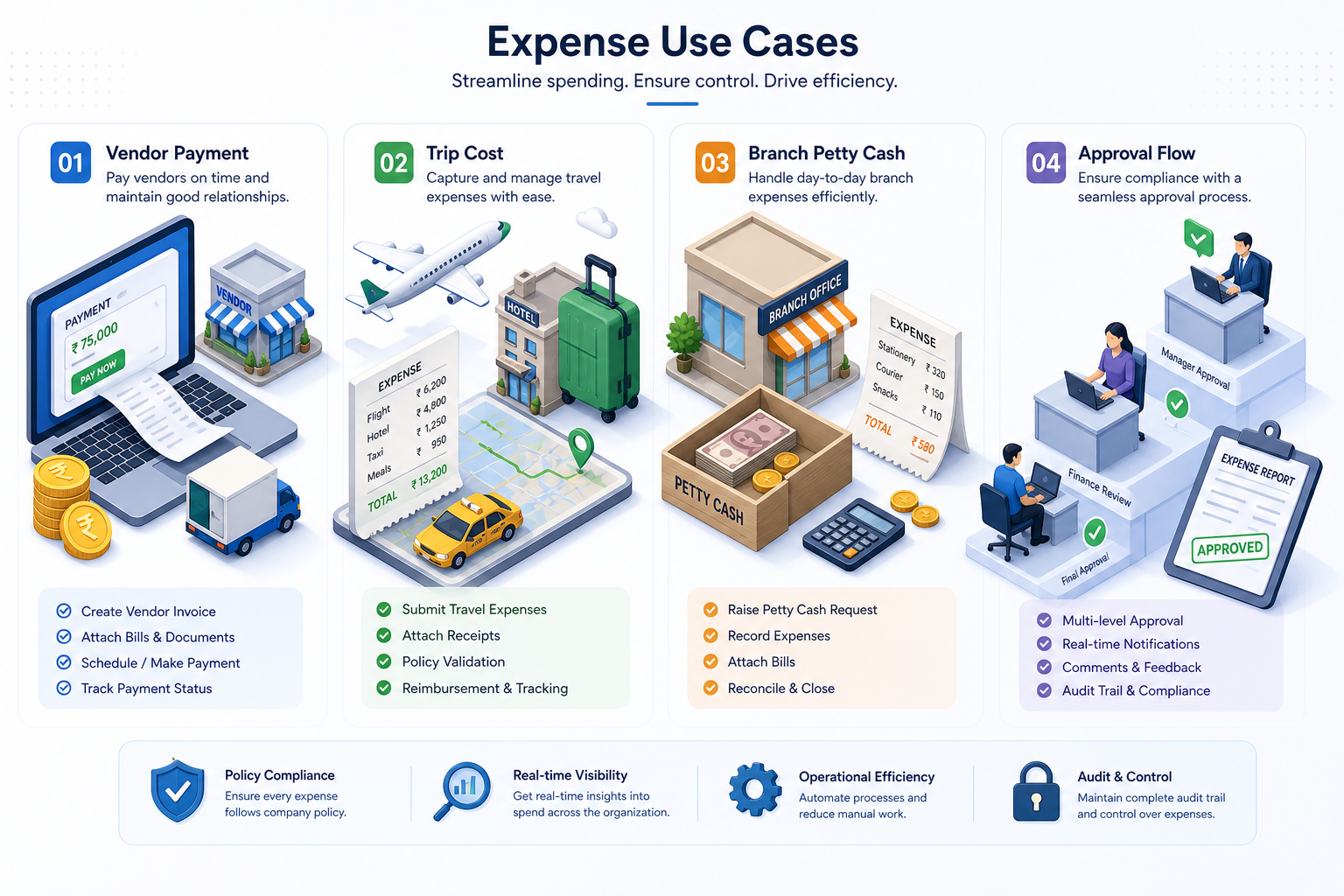
The same Fleet module supports different transport models — pick the scenarios that match your operation.
Expense in daily operations
Expense create flow and expense list.
Finance & billing alignment
Expense for accounts and finance teams — typical in Bangladesh transport ERP deployments.
Expense claim and approval flow
Teams use Expense when they need expense claim and approval flow — without maintaining a separate spreadsheet or WhatsApp thread.
Categories mapped to accounts
Teams use Expense when they need categories mapped to accounts — without maintaining a separate spreadsheet or WhatsApp thread.
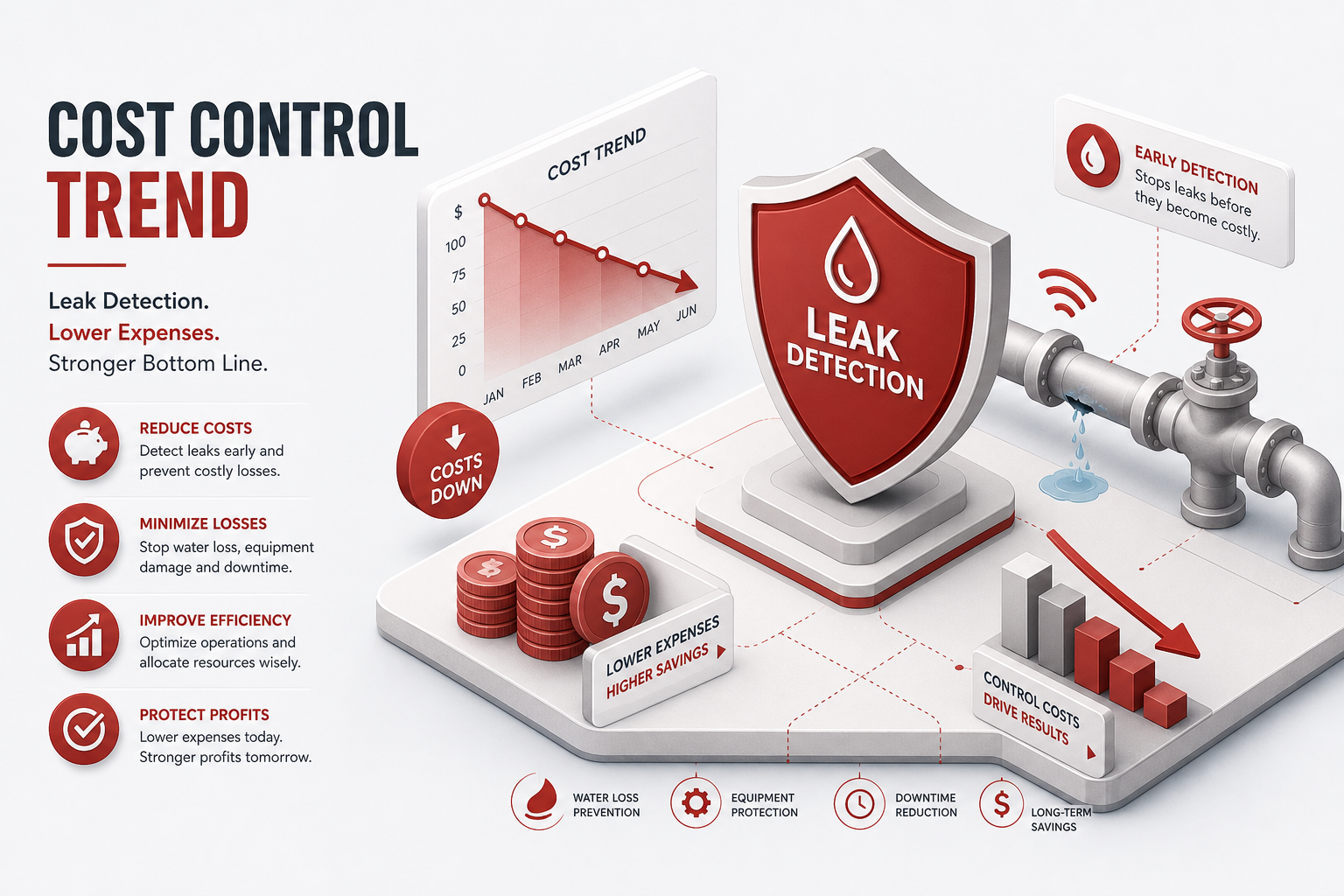
Benefits for your team
What improves when vehicle data lives in one place instead of spreadsheets and phone calls.
Expense claim and approval flow
Expense helps because expense claim and approval flow — recorded inside the VMS audit trail instead of informal channels.
Categories mapped to accounts
Expense helps because categories mapped to accounts — recorded inside the VMS audit trail instead of informal channels.
Branch and project tagging
Expense helps because branch and project tagging — recorded inside the VMS audit trail instead of informal channels.
Supports audit and budget control
Expense helps because supports audit and budget control — recorded inside the VMS audit trail instead of informal channels.
Makes daily work easier
Less chasing, less re-entry, fewer surprises on the morning dispatch board.
- Expense supports view, add, list, settings — so users do not jump between unrelated tools for the same task.
- Less manual follow-up: expense claim and approval flow
- Less manual follow-up: categories mapped to accounts
- Less manual follow-up: branch and project tagging
- Branch-scoped access means local teams open Expense without seeing other depots' records.
Multi-user & mobile-ready
Different roles see different slices — desktop for planning, mobile for field, dashboard for leadership.
- Accounts desk (desktop)Posts and reconciles Expense vouchers with full ledger context.
- Branch accountant (web)Branch-scoped Expense entries that roll up to head-office books.
- Transport billing clerkLinks trip and client data into Expense without retyping amounts.
- Auditor (read-only)Exports Expense trails for review — no edit rights required.
- CFO / owner (dashboard)Cashflow and receivable signals from Expense widgets.
Works with your other modules
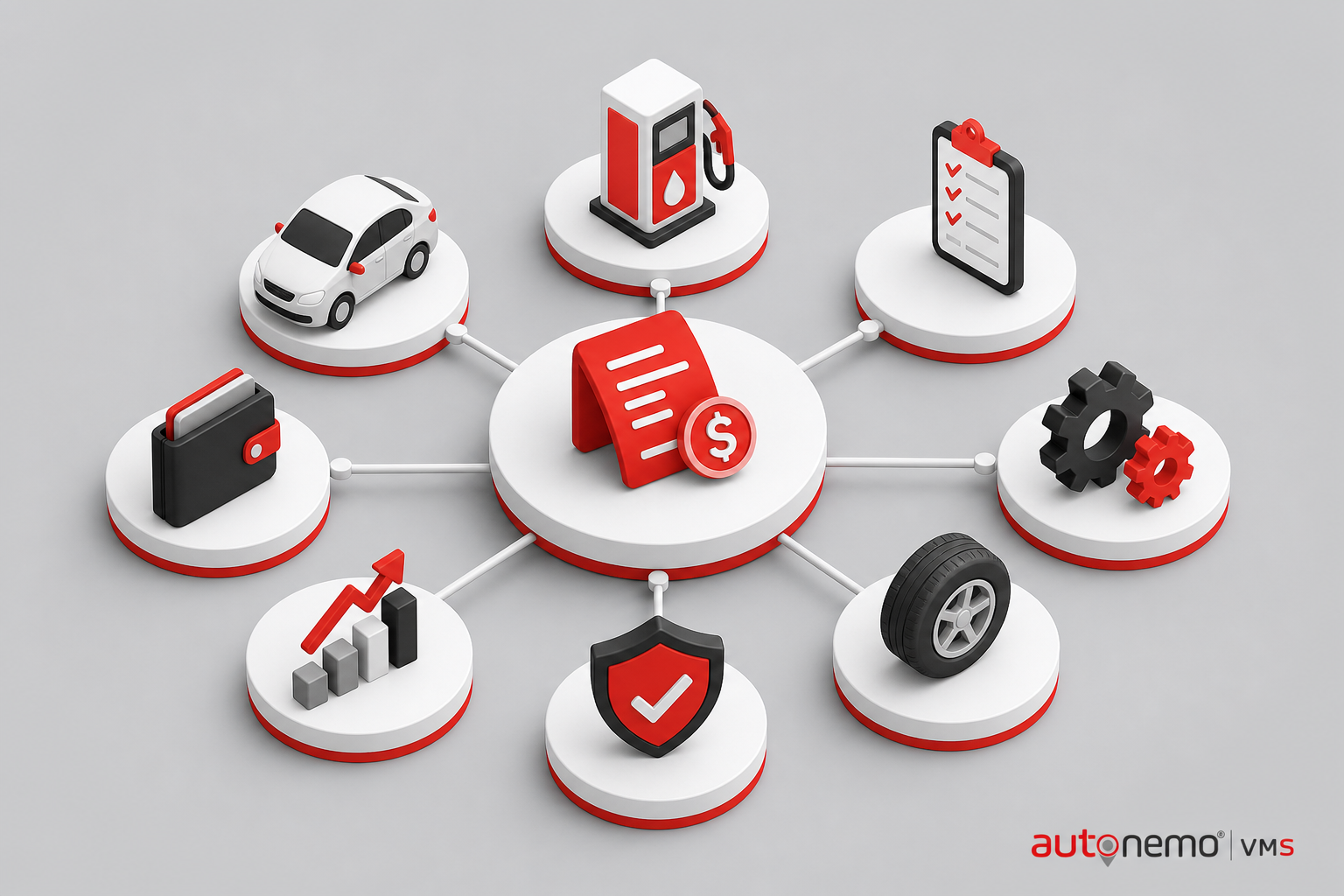
Fleet is the vehicle master — other modules read from it so data stays consistent across the platform.
- AccountsLedger postings from Expense stay aligned with trip and client billing.
- IncomeExpense and Income share the same platform data — no duplicate entry between modules.
- Repeat IncomeExpense and Repeat Income share the same platform data — no duplicate entry between modules.
- Repeat ExpenseExpense and Repeat Expense share the same platform data — no duplicate entry between modules.
- TransferExpense and Transfer share the same platform data — no duplicate entry between modules.
- ReportsReport hub aggregates Expense metrics for branch and management packs.